
Rx Only
Dermatology
& Aesthetics
- Single-container regimens
- Evidence-based combinations
- Tolerable, elegant bases

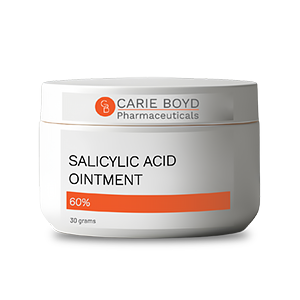
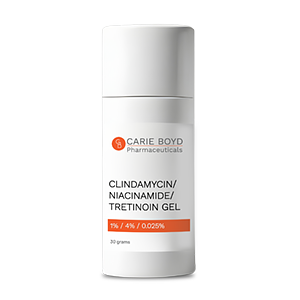

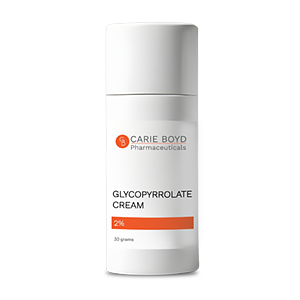
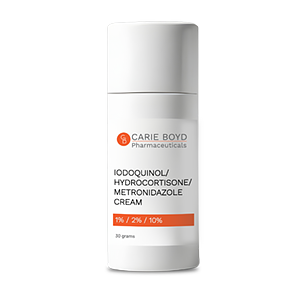
Customized Dermatology Compounding for Patient-Specific Needs
Compounded dermatology medications allow dermatologists to create personalized, multi-ingredient formulations at exact concentrations for each patient. These custom treatments can combine medications not commercially available, adjust strengths to reduce side effects, and be prepared in bases suitable for various skin types.
Our compounding pharmacy offers prescription-only dermatology formulations for a variety of skin concerns, including hyperpigmentation, acne, rosacea, scarring, and signs of aging. Every formulation is prepared with active ingredients specified by the prescriber to meet the unique needs of each patient.
Pharmacist consultations are available to answer questions about ingredients, dosage strengths, and formulation options. We can compound many additional custom dermatology treatments tailored to individual skin conditions.
Browse Compounded Dermatology Medications by Condition
Select a condition to view prescription-only formulas and typical strength
Hyperpigmentation
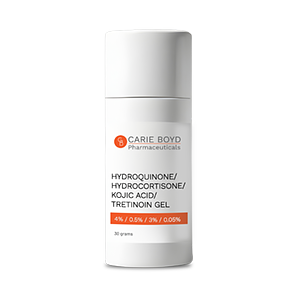
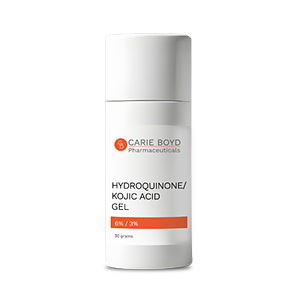
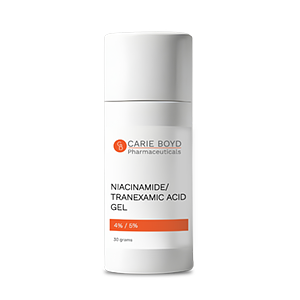
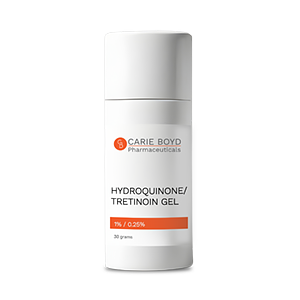
Hyperpigmentation is the darkening of patches of skin due to excess melanin production, commonly triggered by sun exposure, hormonal changes, or inflammation. Compounded topical formulations aim to inhibit melanin production and even skin tone. They often combine agents like hydroquinone (depigmenting agent), tretinoin (enhances cell turnover), kojic acid (a tyrosinase inhibitor), niacinamide (anti-inflammatory and barrier support), and corticosteroids to reduce irritation.


Anti-Aging
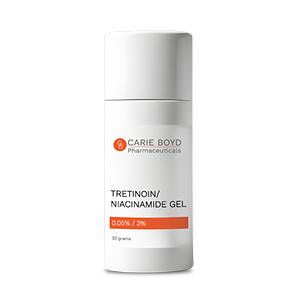
Signs of aging skin includes wrinkles, loss of elasticity, uneven pigmentation, and dullness. Compounded anti-aging creams address these issues through using synergistic combinations of active ingredients. Common actives include tretinoin (collagen stimulation), niacinamide (tone evening and barrier repair), antioxidants like vitamins C and E, ferulic acid (photoprotection), alpha-lipoic acid (ALA), and DMAE (firming). These multi-ingredient formulations are often unavailable commercially.

Rosacea
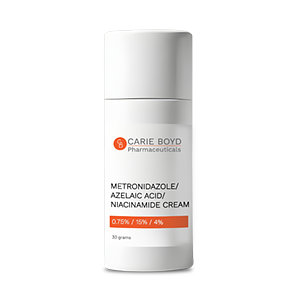
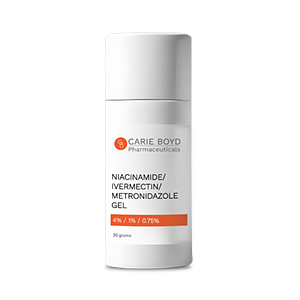
Rosacea is a chronic skin condition featuring facial redness, flushing, visible blood vessels, and inflammatory lesions. Compounded creams often target inflammation and microbes such as Demodex mites. Typical actives include metronidazole (antibiotic), azelaic acid, ivermectin (anti-parasitic), and niacinamide (anti-inflammatory and skin-soothing).

Scars
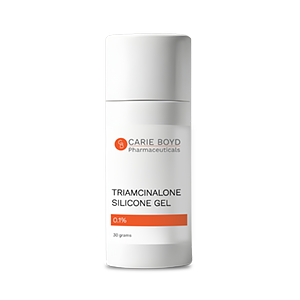
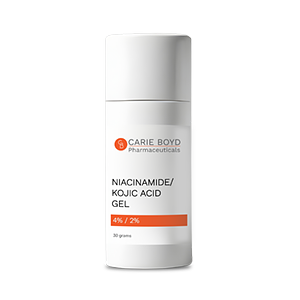
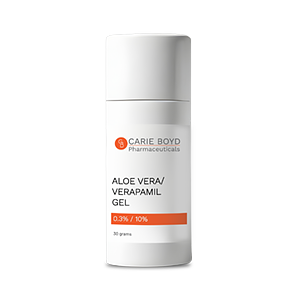
Scars can result from acne, surgery, or trauma and vary in type (hypertrophic, keloid, atrophic). Compounded scar gels are designed to improve scar texture and appearance using agents like triamcinolone (anti-fibrotic corticosteroid), silicone (hydration and scar thickness reduction), verapamil (collagen modulation), and lightening agents such as niacinamide or kojic acid.

Nail Fungus
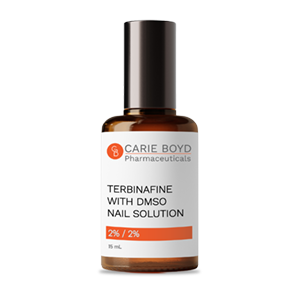
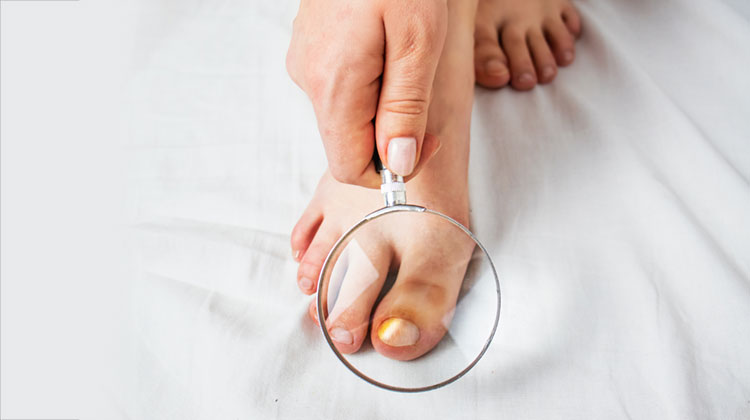
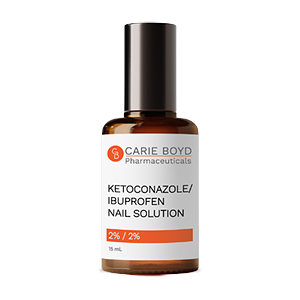
Onychomycosis is a persistent fungal nail infection requiring enhanced drug penetration. Compounded topical treatments are tailored to improve delivery through the nail plate using ingredients such as terbinafine (fungicidal), ketoconazole (fungistatic), ibuprofen (anti-inflammatory), and DMSO (penetration enhancer). Results depend on healthy nail regrowth replacing the infected portion.
Warts
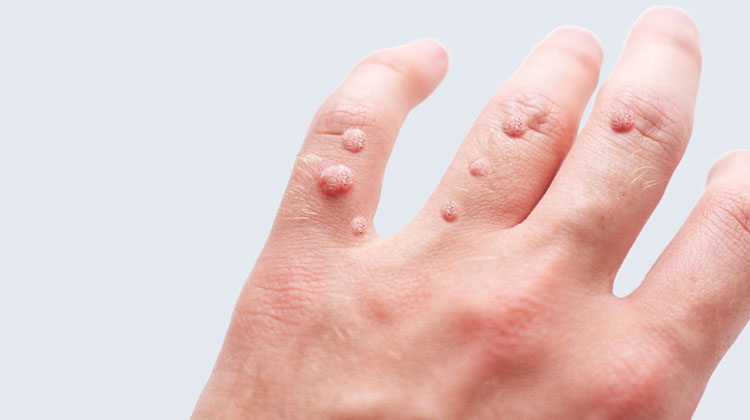
Warts are benign growths caused by human papillomavirus (HPV). When over-the-counter options fail or when lesions appear in sensitive areas, compounded therapies may provide precision treatment. Common agents include salicylic acid (keratolytic), 5-fluorouracil (antimetabolite), and cantharidin (vesicant for tissue destruction).
Acne
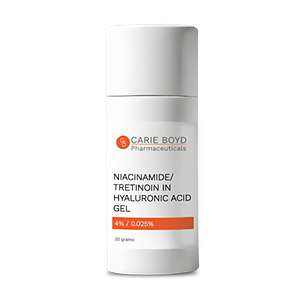
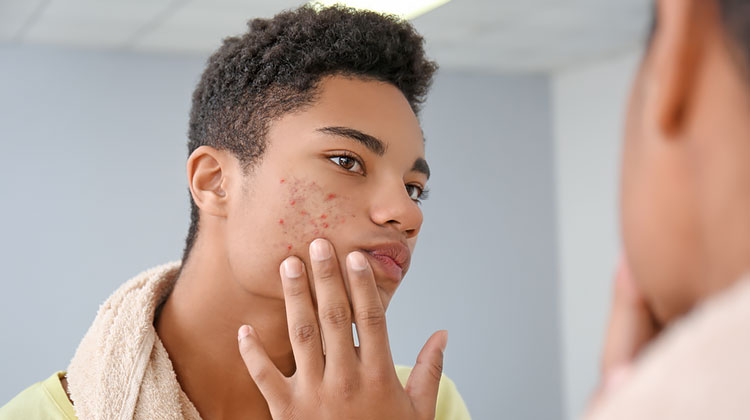
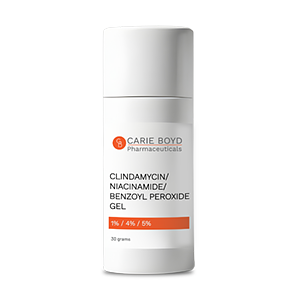
Acne involves inflammation and clogged pores due to excess oil and keratin buildup. Compounded topical treatments allow customization of ingredients and concentrations to fit individual skin needs. Frequently used agents include tretinoin (cell turnover), clindamycin (antibiotic), benzoyl peroxide (antimicrobial), niacinamide (soothing), and hyaluronic acid for hydration.
Chronic Skin Inflammation
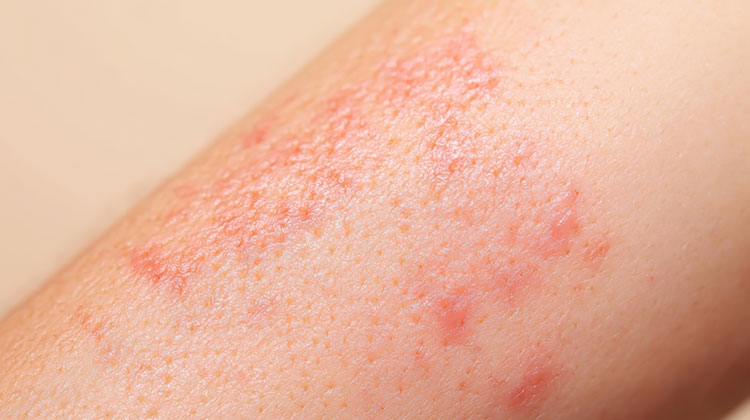
For chronic skin conditions such as atopic dermatitis, psoriasis, or vitiligo, some prescribers are choosing emerging therapy with low-dose naltrexone (LDN) capsules as an adjunct to topical care. LDN may help calm inflammation and itch while supporting a steroid-sparing plan.
Hyperhidrosis
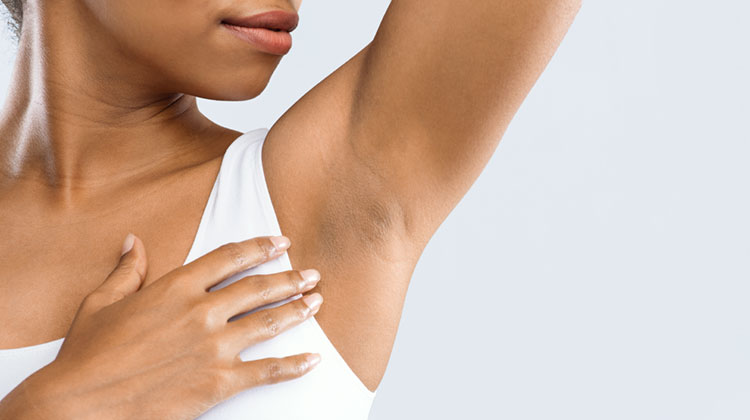
Hyperhidrosis is a condition characterized by excessive sweating that often affects areas like the underarms, palms, soles, face, or scalp. When standard therapies are insufficient or poorly tolerated, compounded topical agents may provide customized alternatives. Ingredients may include glycopyrrolate (anticholinergic), aluminum chloride (astringent), and glutaraldehyde (protein coagulant) to control localized sweating.
Intertrigo
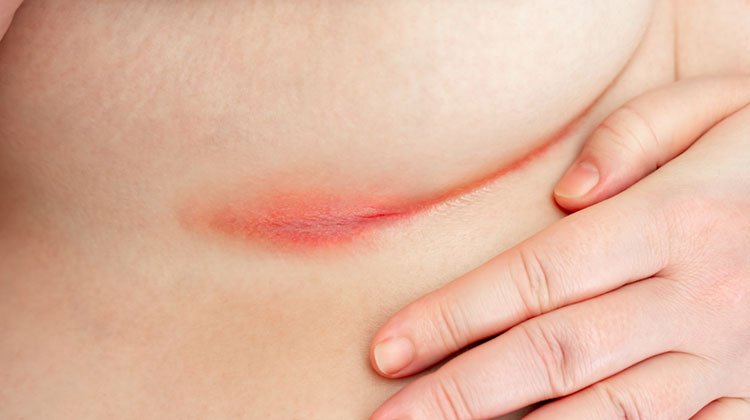
Intertrigo is inflammation in skin folds caused by moisture, heat, and friction, often leading to secondary infections. Treatment includes topical antifungals, antibacterials, or anti-inflammatories, alongside moisture-wicking agents or barrier products to reduce skin-on-skin friction.
Keratosis Pilaris
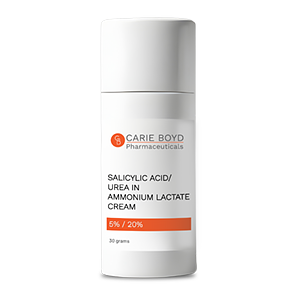
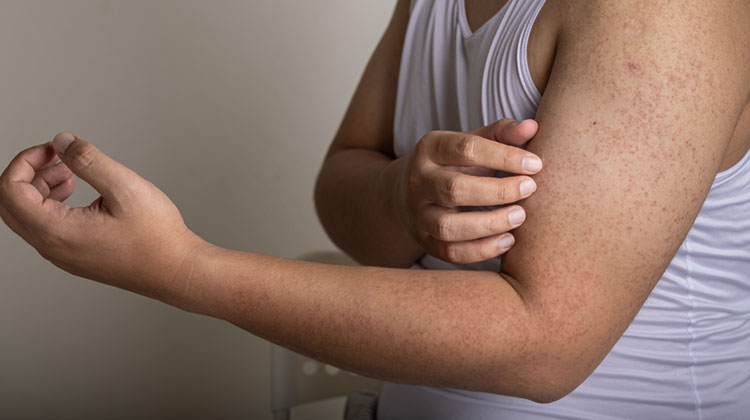
Keratosis pilaris (KP) is characterized by small, rough bumps, often on the arms, thighs, or cheeks, due to keratin plugging hair follicles. Compounded treatments focus on gentle exfoliation and hydration. Common ingredients include ammonium lactate (AHA), salicylic acid (BHA), and urea (keratolytic and humectant) to smooth and moisturize the skin.




- (940) 382-6758
- Monday through Friday 9:00 am - 6:00 pm CT
- [email protected]