Rx Only
Hyperpigmentation
- Gentler corticosteroid
- Kojic acid for additional tyrosinase inhibition
- Pump gel for lightweight wear
- 30 g pump

This topical gel contains hydroquinone 4%, hydrocortisone 0.5%, kojic acid 3%, and tretinoin 0.05%. It is available by prescription in a 30 g pump.
This combination is formulated in an anhydrous gel. This smooth, creamy base has a refined cosmetic feel, leaving no greasy or tacky residue. It provides emollient, moisturizing effects that soften skin while delivering active ingredients.
To address hyperpigmentation, dermatologists and cosmetologists use a variety of topical preparations and procedural techniques, including vitamin C, retinoids, chemical peels, and invasive treatments such as lasers [1]. However, it is often difficult to rely on a single active ingredient for optimal results, which is why combination therapies are commonly used. One such combination includes hydroquinone, hydrocortisone, kojic acid, and tretinoin, particularly for patients with melasma, freckles, or other pigmentary disorders. Each component plays a specific role in reducing discoloration and improving skin appearance:
Hydroquinone is a widely used depigmenting agent that is believed to inhibit melanocyte metabolic processes, thereby suppressing melanin production [2].
Hydrocortisone, a mild corticosteroid, helps control inflammation by inducing anti-inflammatory proteins and suppressing the arachidonic acid pathway, which may reduce the inflammatory stimuli that trigger excess melanin synthesis [3].
Kojic acid, an organic acid derived from the fermentation of fungi such as Aspergillus oryzae (called “Koji” in Japan), works by chelating copper ions at the active site of tyrosinase, the key enzyme in melanin synthesis [4]. By inhibiting tyrosinase activity, kojic acid prevents melanin formation. Kojic acid has good efficacy in the treatment of melasma with no serious complications [5].
Tretinoin, a derivative of vitamin A, modifies epidermal cell turnover and differentiation. It is a versatile topical agent used not only for hyperpigmentation but also for acne, aging skin, keratosis pilaris, and rosacea. In pigmentation therapy, tretinoin may enhance the penetration of other active ingredients and promote even exfoliation [6].
Ascorbic acid is included in the base as it treats hyperpigmentation by inhibiting tyrosinase (the key enzyme in melanin synthesis) [7,8], and providing antioxidant protection against UV damage by preventing catalase inactivation and reducing oxidant formation [9]. Clinically, it has shown significant lightening effects in patients with pigmentation disorders [7, 8, 10].
By targeting multiple points in the melanin production and inflammatory pathways, multi-agent therapies provide support for patients with stubborn or widespread hyperpigmentation.
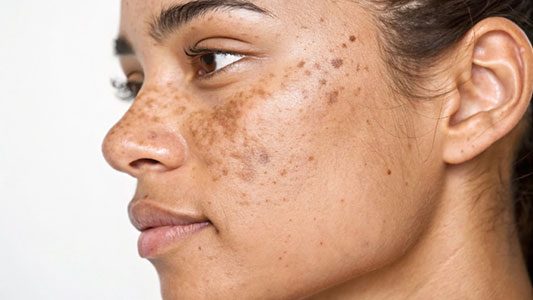
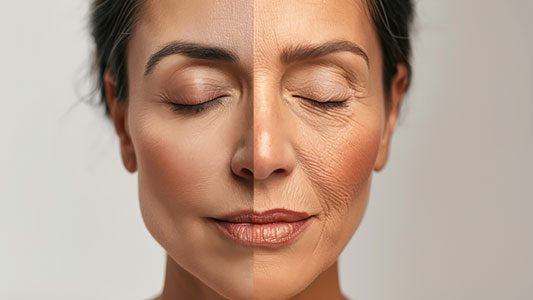
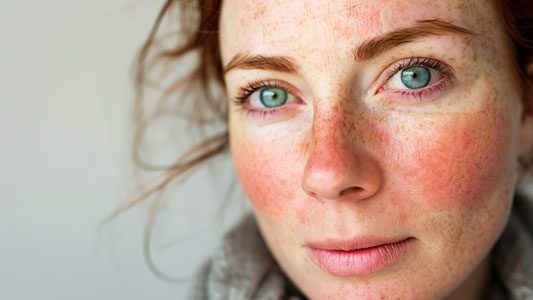
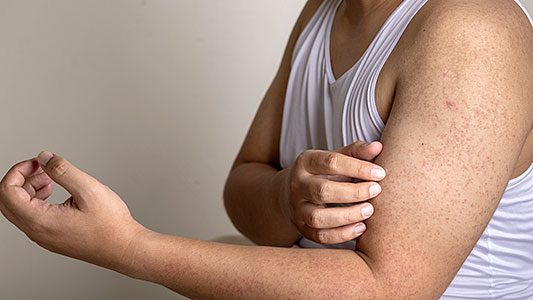
Skin color disorders can be caused by various factors, such as excessive exposure to sunlight, aging and hormonal imbalance during pregnancy, or taking some medications. This may be considered by providers treating patients with melasma, freckles, or other areas with melanin hyperpigmentation.
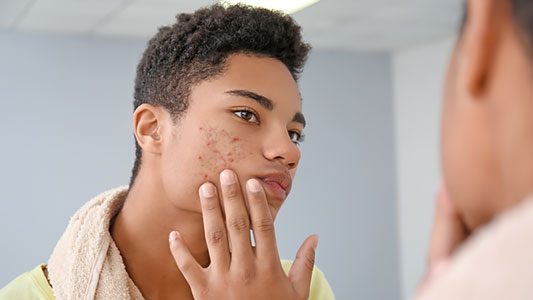
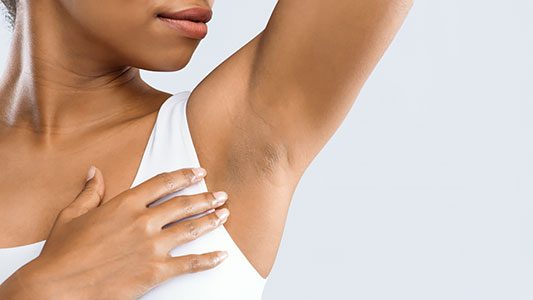
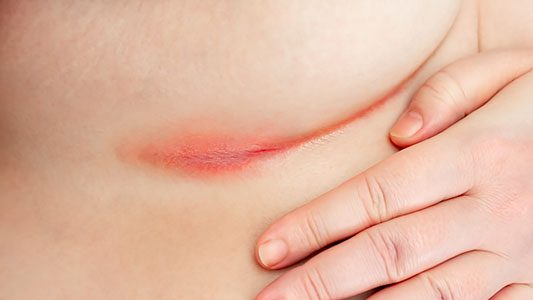
The skin, as the largest organ of the human body, serves as the primary barrier against environmental factors. Constantly exposed to ultraviolet (UV) radiation, pollution, and other external stressors, it relies on internal defense mechanisms to maintain its integrity and function. One such mechanism is melanogenesis, the enzymatic process by which melanin is produced to protect the skin from UV damage [11]. However, when melanin production is disturbed or unevenly distributed, it can lead to hyperpigmentation, a common cosmetic and dermatological concern. This typically presents as irregular, darker patches of skin, often occurring in areas frequently exposed to sunlight. Post-inflammatory hyperpigmentation can also develop after skin trauma or inflammation and may persist for weeks to years. Inflammation triggers the release of prostaglandins, leukotrienes, and thromboxanes, which stimulate melanocyte activity and increase melanin synthesis in the epidermis [12].
Elevate your practice’s offerings with Carie Boyd Pharmaceuticals. Prescribe our Hydroquinone/Hydrocortisone/Kojic Acid/Tretinoin Gel today by clicking here. For inquiries or support, our customer care team is ready at (817) 282-9376 or [email protected]. Additionally, our pharmacists are on standby for in-depth consultations.
Store at controlled refrigerated temperature. Protect from heat and avoid freezing.
[1] Integrative approaches to hyperpigmentation therapy: Complementary and alternative approaches for hyperpigmentation are reviewed, broadly organized into three major groups: 1) minimally invasive treatments, 2) plant-based therapies, and 3) natural antioxidants”., JOID, vol. 1, no. 1, Dec. 2022, doi: 10.64550/joid.8hakh229.
[2] Lexicomp. (n.d.). Hydroquinone: Drug information. In Lexicomp Online. Wolters Kluwer. Retrieved August 26, 2025 from https://www.online.lexi.com/
[3] Lexicomp. (n.d.). Hydrocortisone: Drug information. In Lexicomp Online. Wolters Kluwer. Retrieved August 26, 2025 from https://www.online.lexi.com/
[4] Wawrzyk-Bochenek I, Rahnama M, Stachura M, Wilczyński S, Wawrzyk A. Evaluation of the Reduction of Skin Hyperpigmentation Changes under the Influence of a Preparation Containing Kojic Acid Using Hyperspectral Imaging-Preliminary Study. J Clin Med. 2023;12(7):2710. Published 2023 Apr 4. doi:10.3390/jcm12072710
[5] Iraji, F. , Asililan, A. , Fadaei, F. and Nilforoushzadeh, M. A. (2014). Comparing Kojic Acid Cream 2% with Glycolic Acid 10% and Hydroquinone Cream 2% in Treatment of Melasma. Journal of Isfahan Medical School, 31(269), 2295-2330.
[6] Ebanks JP, Wickett RR, Boissy RE. Mechanisms regulating skin pigmentation: the rise and fall of complexion coloration. Int J Mol Sci. 2009;10(9):4066-4087. Published 2009 Sep 15. doi:10.3390/ijms10094066
[7] Kameyama K, Sakai C, Kondoh S, Yonemoto K, Nishiyama S, Tagawa M, Murata T, Ohnuma T, Quigley J, Dorsky A, Bucks D, Blanock K. Inhibitory effect of magnesium L-ascorbyl-2-phosphate (VC-PMG) on melanogenesis in vitro and in vivo. J Am Acad Dermatol. 1996 Jan;34(1):29-33. doi: 10.1016/s0190-9622(96)90830-0. PMID: 8543691.
[8] Shimada Y, Tai H, Tanaka A, Ikezawa-Suzuki I, Takagi K, Yoshida Y, Yoshie H. Effects of ascorbic acid on gingival melanin pigmentation in vitro and in vivo. J Periodontol. 2009 Feb;80(2):317-23. doi: 10.1902/jop.2009.080409. PMID: 19186973.
[9] Panich U, Tangsupa-a-nan V, Onkoksoong T, Kongtaphan K, Kasetsinsombat K, Akarasereenont P, Wongkajornsilp A. Inhibition of UVA-mediated melanogenesis by ascorbic acid through modulation of antioxidant defense and nitric oxide system. Arch Pharm Res. 2011 May;34(5):811-20. doi: 10.1007/s12272-011-0515-3. Epub 2011 Jun 9. PMID: 21656367.
[10] Hollinger JC, Angra K, Halder RM. Are Natural Ingredients Effective in the Management of Hyperpigmentation? A Systematic Review. J Clin Aesthet Dermatol. 2018 Feb;11(2):28-37. Epub 2018 Feb 1. PMID: 29552273; PMCID: PMC5843359.
[11] Brenner M, Hearing VJ. The protective role of melanin against UV damage in human skin. Photochem Photobiol. 2008;84(3):539-549. doi:10.1111/j.1751-1097.2007.00226.x
[12] Wawrzyk-Bochenek I, Rahnama M, Stachura M, Wilczyński S, Wawrzyk A. Evaluation of the Reduction of Skin Hyperpigmentation Changes under the Influence of a Preparation Containing Kojic Acid Using Hyperspectral Imaging-Preliminary Study. J Clin Med. 2023;12(7):2710. Published 2023 Apr 4. doi:10.3390/jcm12072710
- (940) 382-6758
- Monday through Friday 9:00 am - 6:00 pm CT
- [email protected]